Building Confidence Through Fun Learning Resources
- alittlebloomroom
- May 19
- 4 min read

In a world where learning is often associated with stress and pressure, it’s essential to find ways to make education enjoyable. Fun learning resources can significantly boost confidence in learners of all ages. By engaging with materials that spark curiosity and creativity, individuals can develop a love for learning that translates into improved self-esteem and academic performance. This blog post explores various fun learning resources and how they can help build confidence.

Understanding the Importance of Confidence in Learning
Confidence plays a crucial role in the learning process. When learners believe in their abilities, they are more likely to take risks, ask questions, and engage deeply with the material. Here are some key points about the relationship between confidence and learning:
Encourages Participation: Confident learners are more willing to participate in discussions and group activities.
Promotes Resilience: Confidence helps learners bounce back from setbacks and view challenges as opportunities for growth.
Enhances Motivation: When learners feel capable, they are more motivated to pursue knowledge and skills.
The Role of Fun in Learning
Fun is not just a bonus in education; it is a vital component that can enhance the learning experience. Here’s why incorporating fun into learning is beneficial:
Increases Engagement: Fun activities capture attention and make learning more appealing.
Facilitates Retention: Enjoyable experiences are often more memorable, helping learners retain information better.
Reduces Anxiety: A fun learning environment can alleviate the pressure and anxiety often associated with traditional education.
Types of Fun Learning Resources
There are numerous fun learning resources available that cater to different learning styles and preferences. Here are some effective categories:
1. Educational Games
Games are a fantastic way to make learning enjoyable. They can be used to teach various subjects, from math to language arts. Here are some examples:
Board Games: Games like Scrabble and Monopoly can enhance vocabulary and critical thinking skills.
Online Games: Websites like Kahoot! and Quizlet offer interactive quizzes that make learning competitive and fun.
Card Games: Flashcards can be turned into engaging games to reinforce knowledge in subjects like science and history.
2. Interactive Apps
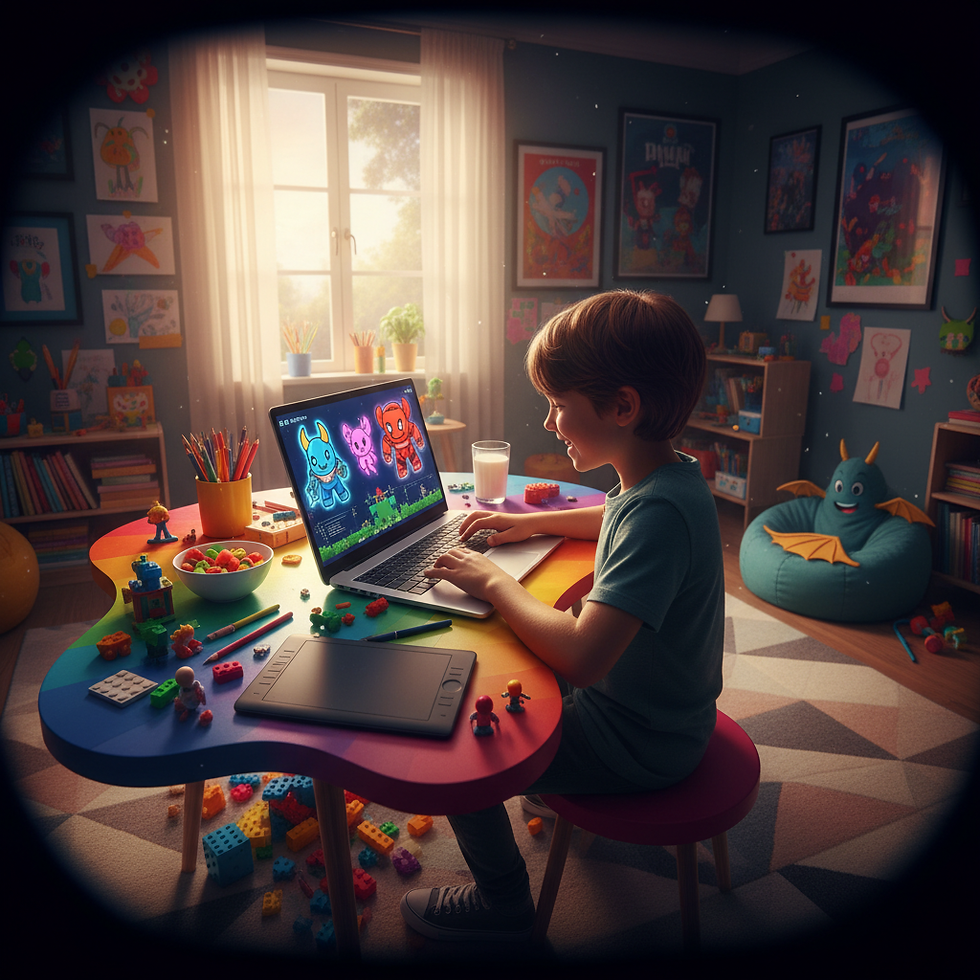
With the rise of technology, educational apps have become a popular resource for learners. These apps often incorporate gamification elements to keep users engaged. Some notable examples include:
Duolingo: This language-learning app uses fun exercises and challenges to teach new languages.
Prodigy Math: A math game that adapts to the learner's level, making it both challenging and enjoyable.
Khan Academy Kids: Offers a variety of interactive lessons and activities for younger learners.
3. Creative Arts and Crafts
Art and crafts can be powerful tools for learning. They allow learners to express themselves while developing fine motor skills and creativity. Here are some ideas:
DIY Projects: Encourage learners to create projects related to their studies, such as building a model of the solar system.
Art Integration: Use art to explore historical events or scientific concepts, making the learning process more holistic.
Storytelling Through Art: Have learners illustrate stories or concepts, reinforcing their understanding through creativity.
4. Hands-On Learning Experiences
Experiential learning can significantly enhance confidence. Here are some hands-on activities that can be both fun and educational:
Science Experiments: Simple experiments can spark curiosity and a love for science. For example, creating a volcano using baking soda and vinegar.
Field Trips: Visiting museums, nature reserves, or historical sites can provide real-world context to what learners study in the classroom.
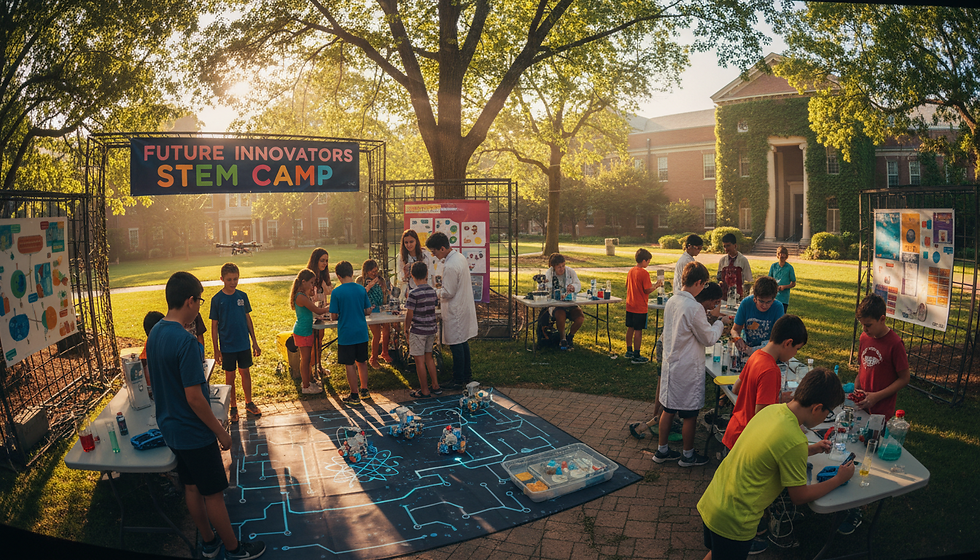
Workshops and Classes: Enroll learners in workshops that focus on skills like cooking, coding, or gardening, allowing them to learn in a practical setting.
Implementing Fun Learning Resources
To effectively incorporate fun learning resources into your educational routine, consider the following strategies:
1. Assess Learner Preferences
Understanding the interests and preferences of the learner is crucial. Conduct surveys or informal discussions to gauge what types of activities they enjoy. This will help tailor the learning experience to their liking.
2. Create a Balanced Learning Environment
While fun is essential, it’s also important to maintain a balance between enjoyable activities and traditional learning methods. Ensure that fun resources complement the curriculum rather than replace it.
3. Encourage Collaboration
Group activities can enhance the fun factor while promoting teamwork and communication skills. Encourage learners to work together on projects or games, fostering a sense of community and support.
4. Celebrate Achievements
Recognizing and celebrating achievements, no matter how small, can boost confidence. Create a reward system for completing fun learning activities, such as stickers or certificates.
Overcoming Challenges in Implementing Fun Learning Resources
While the benefits of fun learning resources are clear, there may be challenges in implementation. Here are some common obstacles and how to overcome them:
1. Limited Resources
Not all learners have access to the latest technology or materials. Consider using low-cost or free resources, such as library books, online platforms, or community programs.
2. Resistance to Change
Some learners may be accustomed to traditional learning methods and may resist new approaches. Gradually introduce fun resources and explain their benefits to encourage acceptance.
3. Time Constraints
Incorporating fun activities may seem time-consuming. However, even short, engaging activities can have a significant impact. Aim for quality over quantity in your learning sessions.
Conclusion
Building confidence through fun learning resources is not only possible but essential for fostering a love of learning. By integrating educational games, interactive apps, creative arts, and hands-on experiences, learners can develop the skills and self-assurance they need to succeed. Remember, the goal is to create an engaging and supportive environment where learners feel empowered to explore and grow.
As you embark on this journey, consider the interests of your learners, balance fun with educational goals, and celebrate their achievements. The next step is to explore the myriad of resources available and start implementing them in your learning environment. Let the adventure of learning begin!

Comments